


Teeth broken near the gumline
There may be too little tooth above the gums to grasp safely during a routine extraction.
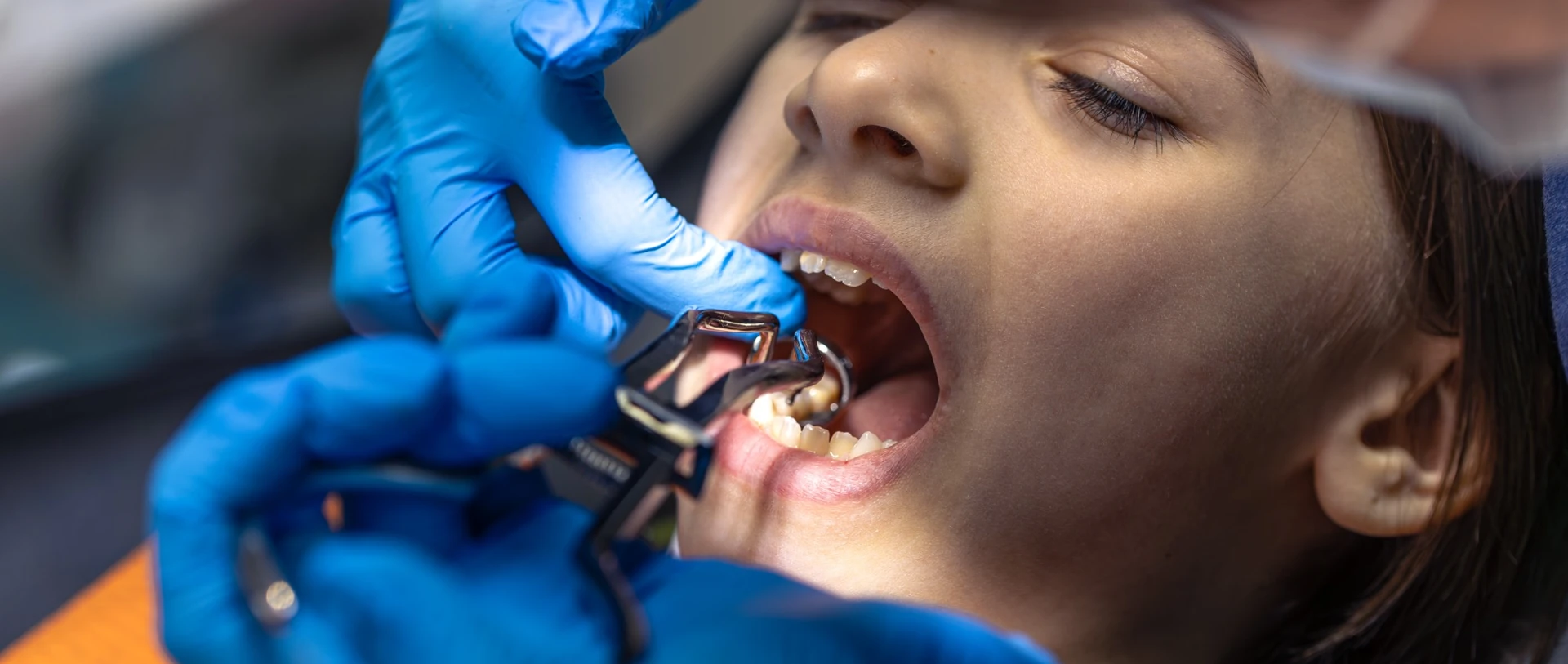
A tooth that has broken at the gumline or has roots that are difficult to reach may need more than a routine extraction. If you are searching for surgical tooth extraction in San Pablo, CA, Albany-Pinole Oral & Maxillofacial Surgery offers specialist evaluations at our nearby Pinole office. Our team examines the tooth, reviews existing dental X-rays and your health history, and explains whether surgical removal is appropriate. You can discuss treatment options, anesthesia, recovery, and any referral from your general dentist before proceeding.
A routine extraction may be possible when the visible portion of a tooth can be accessed and removed without an incision. A surgical tooth extraction uses additional techniques when a tooth is difficult to reach or cannot be removed safely in one piece. Depending on the case, the surgeon may make a small opening in the gum, uncover part of the tooth, or divide the tooth for careful removal.
Surgical removal does not automatically mean a major operation. The complexity depends on root shape, tooth position, surrounding bone, nearby nerves or other structures, and your health history. The American Association of Oral and Maxillofacial Surgeons explains these distinctions in its guide to simple and surgical tooth extractions.
The reason for referral is usually access, anatomy, or the condition of the tooth, rather than pain alone. A dentist may recommend an oral and maxillofacial surgeon when examination suggests that a straightforward removal could be difficult.
There may be too little tooth above the gums to grasp safely during a routine extraction.
Roots left beneath the gums can require careful imaging and a planned surgical approach.
Gum or bone can prevent access, and the recommended approach depends on the tooth involved.
Curved roots or roots near important structures can make removal more complex.
Not every damaged tooth needs surgical treatment, and not every tooth needs removal. Before recommending extraction, your dentist and oral surgeon consider whether the tooth can be saved, how accessible it is, and whether the risks favor removing or monitoring it.
A surgical extraction begins with a diagnosis, not a promise that removal is necessary. Some cases require a separate surgical appointment, particularly when imaging, medical history or anesthesia planning is involved.
Tell us what happened to the tooth and bring any referral, X-rays, medication list, and medical or dental insurance details. The team reviews your concerns.
The surgeon assesses the remaining tooth structure, roots, nearby bone and other anatomy. Further imaging may be recommended when necessary.
Appropriate anesthesia is discussed in advance. Depending on the tooth, the procedure may involve gum access, controlled tooth sectioning and, when needed, sutures.
You receive instructions for protecting the clot, eating and cleaning around the site, managing expected swelling, and knowing when to call.
Your own treatment sequence and recovery may differ. Albany-Pinole explains that complicated treatment plans may require a separate visit after consultation. How to prepare for your first visit
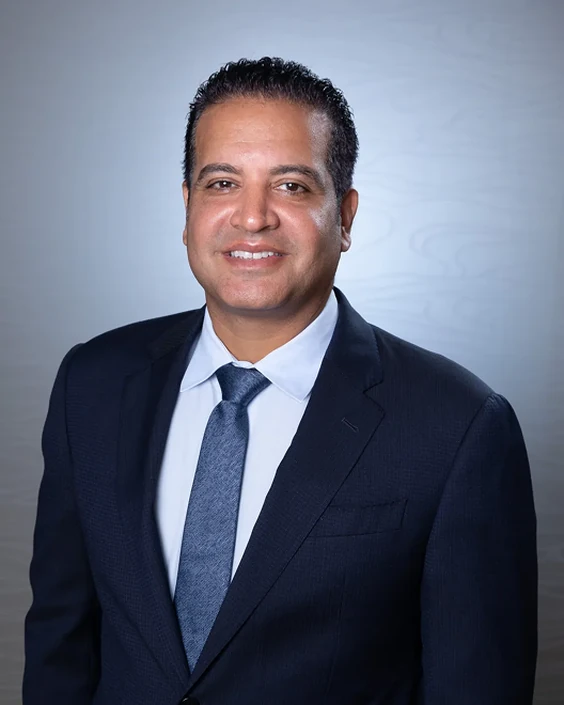
Albany-Pinole Oral & Maxillofacial Surgery serves San Pablo residents from its Pinole office. The practice identifies Dr. Adel S. Khalil, DDS, MD, along with Dr. Julene M. Funk and Dr. Giao Vu, on its patient information pages.
A complex tooth extraction consultation is an opportunity to discuss the reason for removal, whether the tooth can be treated another way, relevant health conditions, appropriate anesthesia and the next step after extraction. If your dentist referred you, bring the referral and available images so the team can coordinate care.
Pain alone does not show whether an extraction will be surgical. What matters is how much of the tooth remains, how it sits in the jaw, the shape and position of its roots, and whether a restoration could preserve it.
Ask for an evaluation if a dentist has identified a retained root, an inaccessible tooth, or a fracture extending near or beneath the gumline. If you have spreading facial swelling, fever or worsening pain, contact a clinician promptly. Difficulty breathing or swallowing requires emergency medical evaluation.
Healing depends on the location of the tooth, whether an incision was required, your health, and the surgical approach. Mild bleeding, swelling and soreness may follow treatment. Follow the individualized instructions provided by your surgeon, protect the blood clot and avoid disrupting the surgical site.
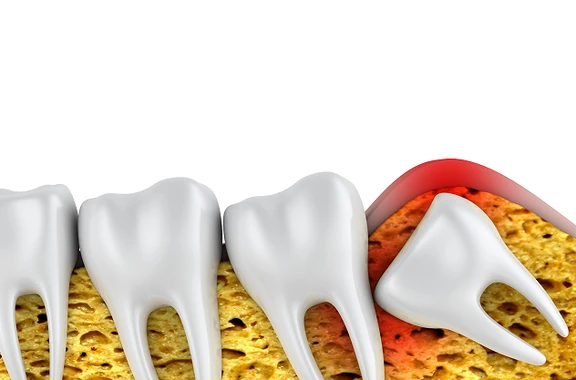
Albany-Pinole publishes tooth extraction aftercare instructions covering gauze pressure, soft food, oral hygiene and warning signs. Contact the office if bleeding persists, symptoms worsen, or you develop fever or unusual swelling. For patients reading more about impacted teeth, the practice also has a blog explaining impacted wisdom teeth, but that article is not a substitute for individual surgical advice.
After tooth extraction instructions
What It Means When Wisdom Teeth Are Impacted (practice blog)
Straight answers about difficult tooth removal, anesthesia, referral, and visiting the nearby Pinole office.
It is a tooth removal procedure that requires additional access or techniques, such as lifting gum tissue or carefully removing a small amount of surrounding bone.
A tooth broken at or below the gumline may be difficult to grasp for routine removal. An examination and imaging help determine whether surgical access is needed.
Yes. Retained root fragments sometimes require a surgical approach. The surgeon evaluates their position, nearby anatomy, and whether removal is appropriate.
Routine extraction usually removes an accessible tooth without an incision. Surgical extraction may require an incision, bone access, or sectioning the tooth into smaller pieces.
Usually, imaging helps the surgeon examine the roots and surrounding structures. The type of imaging depends on the tooth and the complexity of the case.
Local anesthesia is commonly used. Sedation or other anesthesia may be discussed based on your medical history, procedure, and clinical evaluation.
No. Some impacted teeth can be monitored or managed differently. A specialist evaluates symptoms, neighboring teeth, and potential risks before recommending treatment.
Early soreness and swelling commonly improve over several days, but tissue healing takes longer. Recovery varies with surgical complexity and individual health.
Yes. Your dentist can send a referral and available X-rays. The Pinole team will review your needs and explain the recommended next steps.
No. Albany-Pinole serves San Pablo residents from its Pinole office at 1330 Tara Hills Dr., Suite 206. Call (510) 392-8200 for scheduling.
Please confirm current hours and appointment availability by phone.
Our office is at 1330 Tara Hills Dr., Suite 206, Pinole, CA 94564. Call (510) 392-8200 to ask about scheduling, referrals and what to bring. Travel time varies by your starting point and traffic.
If you have a tooth broken near the gums, retained roots or a referral for surgical tooth removal, schedule an evaluation at Albany-Pinole Oral & Maxillofacial Surgery. We serve San Pablo patients from our Pinole office and explain the options before treatment begins.