


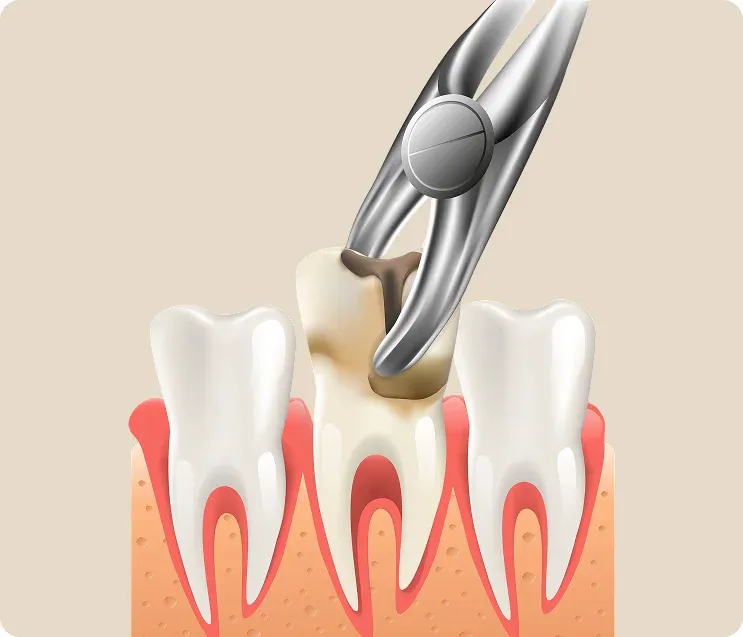
Introduction to After Tooth Extraaction
What Happens After Tooth Extraction
After a tooth extraction, a blood clot forms to stop bleeding and protect the site. Patients may experience swelling, mild pain, and discomfort. Proper care supports healing, prevents complications, and ensures the surrounding teeth, gums, and jaw remain healthy.

Essential First-Hour Care After Tooth Extraction
The first hour after a tooth extraction is the most critical for protecting the surgical site and ensuring proper healing. During this time, patients should keep firm pressure on the extraction area by biting on the gauze pad placed by the dentist. This helps stabilize the blood clot and minimizes early bleeding.
Avoid eating, drinking hot beverages, or talking excessively during this period to prevent movement or irritation around the site. Keep your head elevated, sit upright, and allow your body to begin the healing process naturally. If the gauze becomes soaked, gently replace it with a fresh pad and continue applying pressure. These immediate steps create a strong foundation for a smooth recovery.
Key Steps in Managing Pain and Swelling
After tooth extraction, pain and swelling are common but manageable. Understanding these steps helps patients feel confident and supports faster recovery.

Nutrition and Lifestyle Recommendations After Extraction
After tooth extraction, maintaining a soft, nutritious diet supports healing and comfort. Soft foods such as yogurt, mashed potatoes, soups, or smoothies are recommended initially. Avoid hard, spicy, or hot foods that may irritate the site.
Hydration is essential. Drink plenty of water and other non-alcoholic, non-carbonated beverages. Limit strenuous exercise or heavy lifting for the first 24 hours, as increased blood pressure can cause more bleeding. Following these recommendations helps ensure a smooth recovery and reduces post-extraction complications.
Additional Precautions to Support Healing
Patients should follow specific precautions to protect the extraction site and encourage optimal healing.
Avoiding Clot Disruption
Do not smoke, use straws, or spit forcefully for 72 hours, as these actions may dislodge the clot and delay healing.
Following Medication Instructions
If antibiotics are prescribed, complete the entire course even if symptoms improve. This prevents infection and supports recovery.
Monitoring Recovery and When to Seek Help
It’s important to monitor your healing process carefully. Most patients experience relief within a few days and return to normal activities shortly thereafter.
Pain and Discomfort
Mild pain is normal. Use prescribed pain medications and ice packs to manage symptoms.
Swelling
Swelling typically subsides within 48 hours. Apply cold compresses to reduce inflammation.
Bleeding
Slight bleeding or oozing is expected. Apply gauze and pressure to manage it effectively.
Oral Hygiene
Resume gentle brushing and flossing after 24 hours, avoiding the extraction site.
Signs of Infection
Contact your dentist if you notice persistent swelling, pus, severe pain, or fever.
Returning to Normal Activities
Gradually resume normal activities. avoid heavy exercise for 24 hours. Full recovery typically takes 1–2 weeks.
By following these care steps, patients can ensure safe healing, reduce complications, and restore oral health effectively.
Schedule Your Follow-Up Appointment
Your follow-up visit is important to ensure proper healing and monitor recovery. Dr. Adel S. Khalil, DDS, MD, at Albany Pinole, provides guidance, checks for complications, and answers questions to support your post-extraction care and maintain overall oral health.
Book NowFrequently Asked Questions
Find answers to common questions about recovery and care after tooth extraction.
Most patients feel improvement within 3–5 days, with complete healing within 1–2 weeks.