

Understanding TMJ Disorders
TMJ Disorders
The temporomandibular joint (TMJ) connects the lower jaw to the skull, enabling movement for speaking and chewing. When misaligned or inflamed, it causes pain and limited motion. TMJ disorders are manageable, and patients in Pinole can access advanced diagnostic and therapeutic treatments.
Common Causes of TMJ Disorders
TMJ disorders can result from jaw injuries, teeth grinding, arthritis, or muscle tension. Poor posture and stress may worsen symptoms. Pinole TMJ specialists identify the root cause and provide tailored treatment to relieve pain and protect jaw health.
Early Symptoms of TMJ Disorder
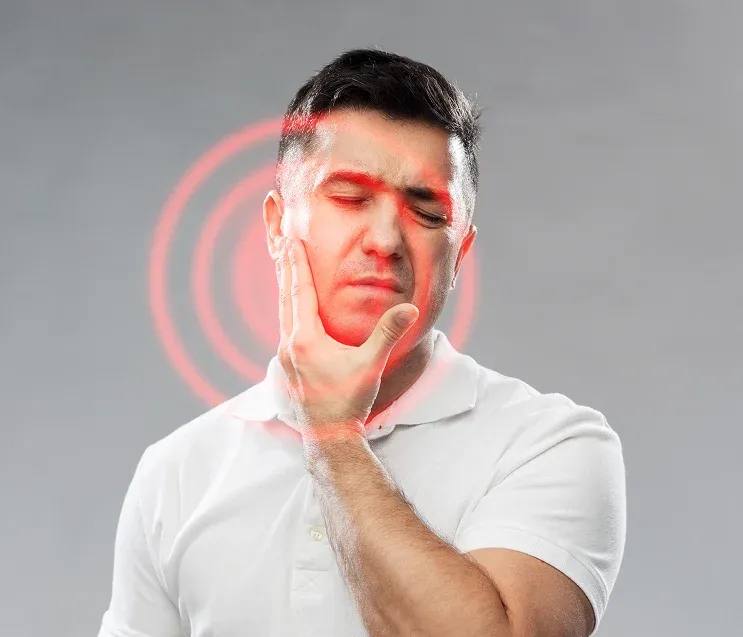
Identifying TMJ disorder early improves treatment outcomes. Symptoms may include jaw pain or stiffness, difficulty opening or closing the mouth, clicking or popping sounds, and headaches or neck discomfort. Pinole residents experiencing these signs should consult a TMJ specialist promptly to prevent worsening jaw problems.
Impact on Daily Life
TMJ disorders can disrupt eating, speaking, and smiling comfortably. Pain may radiate to the head and neck, cause headaches, or affect sleep. Without timely intervention, patients risk joint degeneration, bite misalignment, and disc displacement. Early evaluation by a TMJ specialist in Pinole helps maintain daily function and overall jaw health.
Diagnosis and Evaluation Process
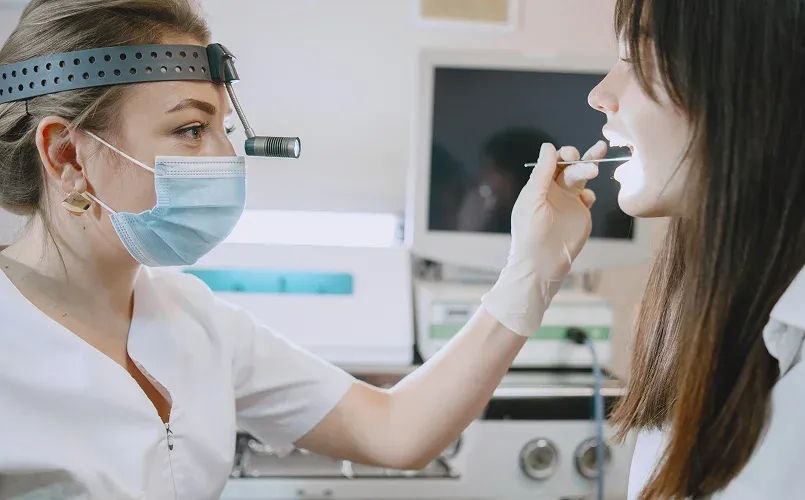
Accurate diagnosis allows your dentist or TMJ specialist to determine the cause and severity of your condition. Key evaluation steps include:
1. Clinical Examination
Detailed assessment of jaw motion, occlusion, and joint tenderness detects inflammation or restricted movement.
2. Imaging Studies
X-rays, MRI, or CT scans evaluate joint structure, disc placement, and signs of degeneration.
3. Bite Analysis
Examines how upper and lower teeth meet to determine if occlusal issues contribute to discomfort.
4. Medical and Dental History
Reviews any history of arthritis, bruxism, trauma, or chronic joint pain.
5. Functional Testing
Assesses jaw range of motion and identifies clicking, locking, or deviation during opening.
Non-Surgical TMJ Disorder Treatments
Many TMJ disorders respond well to conservative care:
- Occlusal Splints
Reduce grinding, stabilize the jaw, and prevent tooth wear.
- Physical Therapy
Gentle exercises strengthen jaw muscles and improve flexibility.
- Medication
Anti-inflammatory or muscle relaxants relieve pain and joint inflammation.
- Stress Management
Relaxation techniques and lifestyle adjustments minimize jaw clenching.
These non-surgical treatments restore harmony between the jaw and surrounding structures for lasting relief.
When Is TMJ Surgery Needed?
TMJ surgery becomes necessary when non-surgical treatments fail or structural damage limits jaw function. Common indications include persistent locking, severe joint degeneration, or dislocation. Pinole TMJ specialists perform surgery to restore proper alignment, reduce pain, and improve jaw mobility, preserving as much natural tissue as possible for optimal functional and cosmetic results.
Advanced Surgical Procedures for TMJ Disorders
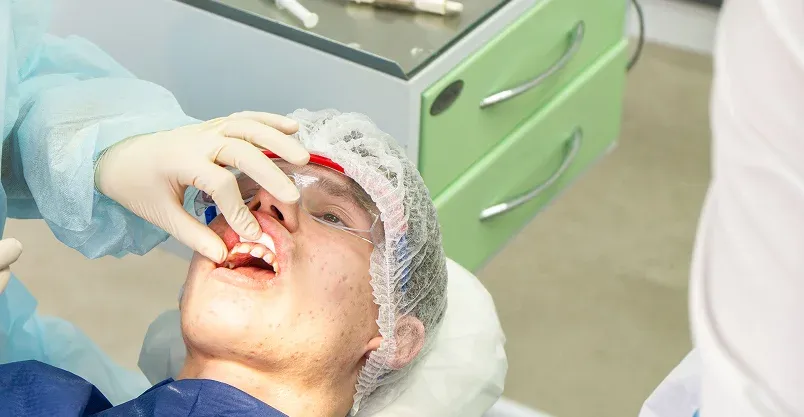
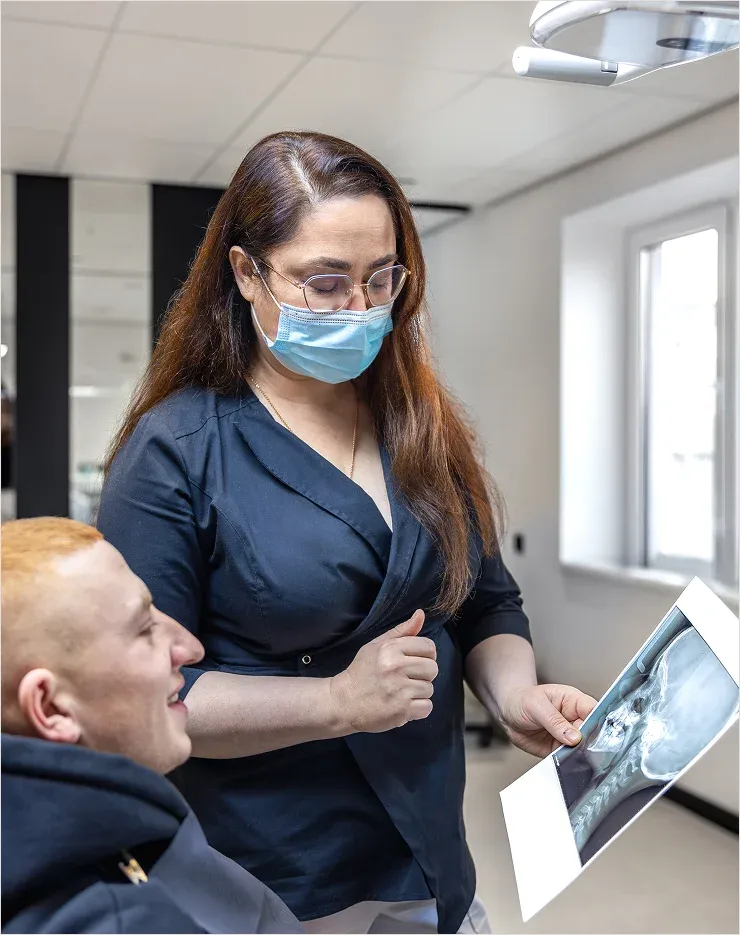
Complex TMJ cases may require surgical correction to relieve pain and restore function. Advanced procedures include:
Advanced Surgical Procedures for TMJ Disorders
Complex TMJ cases may require surgical correction to relieve pain and restore function. Advanced procedures include:

TMJ Arthrocentesis Pinole
Minimally invasive joint cleansing with sterile fluid to reduce inflammation.
TMJ Arthroscopy Pinole
Small camera-guided procedure to treat internal adhesions or derangements.
TMJ Disc Surgery Pinole
Repairs or repositions displaced discs for stability and reduced clicking.
TMJ Replacement Pinole
Replaces damaged joint components with biocompatible prosthetics in severe cases.
Arthroplasty
Reshapes the TMJ to smooth surfaces and alleviate stiffness.
TMJ Surgery Success Rate and Recovery
TMJ surgery in Pinole has a high success rate when performed by skilled specialists. Most patients experience reduced pain, improved jaw movement, and restored daily function within weeks. Recovery includes physical therapy, guided exercises, and a soft-food diet. Schedule a consultation today to explore personalized TMJ treatment options.
Book NowRegain Comfort and Confidence
TMJ disorders affect jaw function, eating, speaking, and overall well-being. Whether seeking non-surgical therapy or advanced TMJ surgery in Pinole, timely care prevents further complications. Expert evaluation, modern techniques, and personalized treatment help restore comfort, confidence, and a pain-free jaw.