


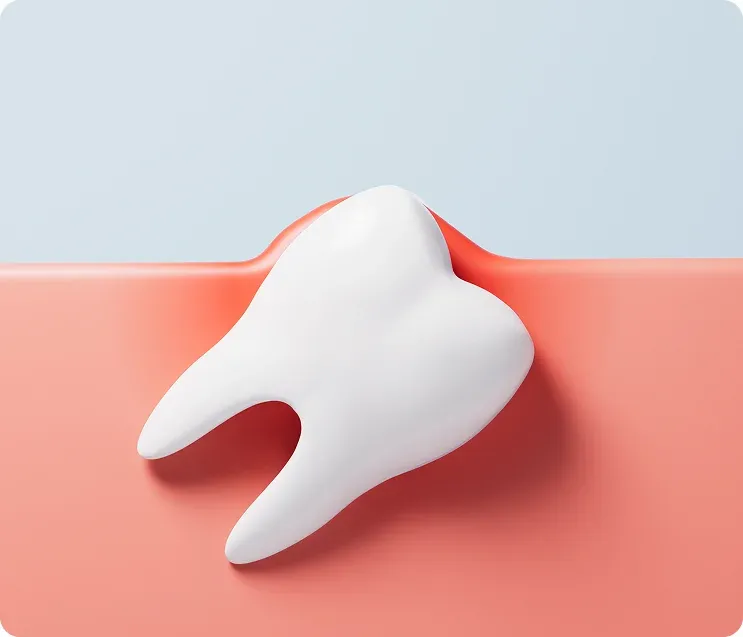

Why Post-Operative Care Matters After Wisdom Tooth Removal
Wisdom tooth removal is considered a minor oral surgery, and your body immediately begins the healing process once the procedure is completed. Proper after-care helps stabilize the blood clot, control swelling, and support a comfortable recovery. These guidelines are designed to help you care for the surgical area safely and confidently.
At Albany Pinole through Oral & Maxillofacial Surgery in Pinole, CA, patients receive clear instructions to ensure predictable healing. By following the recommended steps and avoiding actions that disturb the surgical site, you minimize the risk of unnecessary pain and complications during the first few days.
What You Can Expect After Wisdom Tooth Removal
A brief overview of normal post-surgery responses.

Post-Operative Care Instructions for Comfort and Healing
After wisdom tooth removal, keep the gauze pad in place for 30 minutes to allow a stable blood clot to form. Avoid rinsing, spitting, or touching the surgical site on the first day. If bleeding continues, replace the gauze or bite on a moistened tea bag for 30 minutes.
Apply ice packs to the sides of your face during the first 36 hours to reduce swelling. After swelling peaks, warm compresses can relieve stiffness. Take prescribed or over-the-counter pain medication as directed. Start with liquids after anesthesia, then soft foods while avoiding straws. Brush gently and begin warm saltwater rinses the following day. Follow antibiotic instructions if prescribed and call the office for any unusual symptoms. Proper care ensures a safer, more comfortable recovery.
Typical Healing Responses and How to Manage Them
Normal post-surgical effects and simple ways to handle them.
Skin Discoloration or Bruising
Some patients develop blue, green, or yellow discoloration as part of normal healing. Warm compresses after the initial swelling phase help the color fade faster.
Suture Changes or Sensations
If sutures loosen or fall out, it is not a concern. They are designed to dissolve or be removed a week later without discomfort.
When You Should Contact Your Oral Surgeon for Help
Recognizing important symptoms that require attention.
Persistent or Excessive Bleeding
If bleeding does not improve after repeated gauze or tea bag pressure, contact the office for additional guidance to prevent complications.
Increasing Pain After 2–3 Days
Worsening discomfort, especially radiating toward the ear, may indicate dry socket and should be evaluated promptly.
Unusual Swelling or Infection Signs
Increasing swelling after several days, fever, foul taste, or discharge may signal infection and requires professional attention.
Prolonged Numbness
Temporary numbness is common, but if it continues longer than expected, notify the surgeon for evaluation.
Difficulty Standing
Dizziness is possible due to reduced food intake or medication. Rise slowly from lying down to avoid sudden lightheadedness.
Hard Bony Edges in the Gums
You may feel small bony areas with your tongue; these are normal and typically smooth out naturally or can be adjusted if needed.
Staying aware of your symptoms and following instructions closely helps ensure a comfortable, complication-free recovery.
Need Help After Your Wisdom Tooth Removal
If you have concerns, unusual symptoms, or questions as you heal, our surgical team is here to support you. Contact us at any time for reassurance, guidance, or follow-up care instructions.
Call NowFrequently Asked Questions
Answers to common questions for patients healing after wisdom tooth removal.
Most swelling peaks around days 2–3 and gradually decreases afterward.