


What Happens During a Bone Grafting Procedure?
Dr. Adel S. Khalil
October 5, 2026
Being told that you may need a bone graft can raise immediate questions: Will it hurt? Where does the graft material go? How long will healing take? For patients considering bone grafting in Pinole, CA, knowing what happens during the appointment can make the process easier to understand. Bone grafting is used to rebuild areas of the jaw where bone volume has been reduced, often after tooth loss, infection, gum disease, injury, or long-term changes in the jaw.
The procedure is planned around your anatomy and future treatment goals rather than performed the same way for everyone. An oral surgeon may use grafting to preserve an extraction site, rebuild a narrow ridge, increase bone beneath the sinus, or prepare an area for a dental implant. Modern three-dimensional imaging can help identify the location and extent of bone loss before surgery, allowing the surgical team to select an approach that fits the individual's site and explain what to expect.
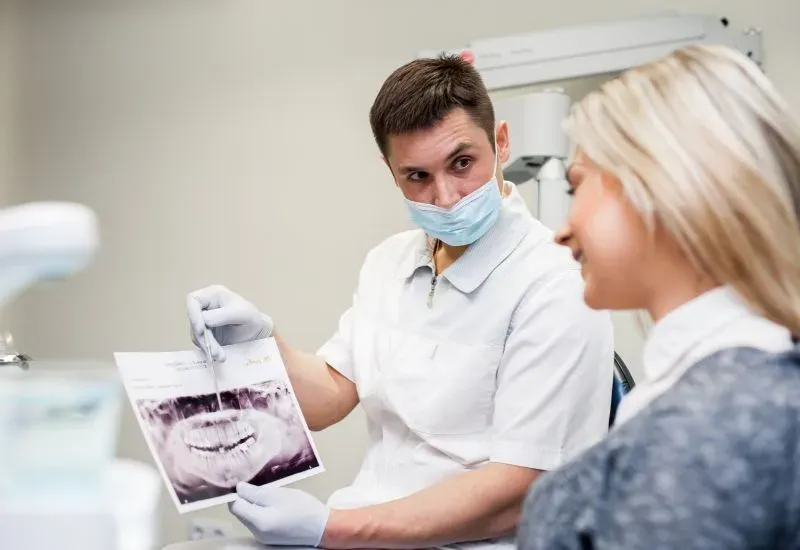
What Happens Before Your Bone Grafting Appointment
The process usually begins with a consultation and review of your dental and medical history. Your oral surgeon examines the teeth, gums, bite, and area of bone loss. Imaging may be used to evaluate bone height, width, nearby tooth roots, nerves, and sinus anatomy. This information helps determine whether grafting is appropriate and which technique may best address the defect.
The surgeon also explains the proposed procedure, expected stages of healing, and whether the graft is intended for future implant placement. Depending on the case, graft material may come from processed donor tissue, an animal-derived source, a synthetic material, or the patient’s own bone. The choice is based on the size and location of the defect and the surgical plan.
Patients commonly worry about anesthesia, recovery, and whether an implant can be placed at the same visit. Those details depend on the extent of grafting and whether adequate implant stability is already available. Reviewing these questions before surgery gives patients a clearer timeline and helps them prepare for the day of the procedure.
The Bone Grafting Procedure Step by Step
On the day of surgery, the treatment area is prepared and anesthesia is provided according to the planned procedure and the patient’s needs. The surgeon then accesses the area where bone is deficient. If grafting follows an extraction, the socket may be cleaned before graft material is placed. For ridge augmentation, the material is positioned where additional width or height is needed. In a sinus graft, the sinus membrane is carefully elevated, and graft material is placed beneath it to increase available upper-jaw bone. The graft may be covered with a protective membrane when indicated, helping stabilize the site while healing begins. The tissue is then repositioned and may be secured with sutures. The goal is not simply to “fill a gap”; the graft provides a framework that supports the body’s gradual formation and remodeling of bone. The exact steps vary according to the grafting technique and anatomy involved.
Key Steps Patients Can Expect
Although every procedure is individualized, the clinical sequence usually follows a clear pattern. Understanding these stages can reduce uncertainty and help patients distinguish the surgical appointment from the longer biological healing process that follows.
- Assessment and 3D imaging help map the bone defect and nearby anatomy.
- Anesthesia or an appropriate sedation plan is used for patient comfort.
- The surgical site is prepared and graft material is placed where bone support is needed.
- The graft is stabilized, the tissue is repositioned, and sutures may be placed.
- Follow-up visits allow the surgeon to evaluate healing before the next treatment stage.
What Happens as the Bone Graft Heals
The surgical appointment places the graft, but the important biological work continues afterward. The grafted material acts as a scaffold within the deficient area. During healing, the body gradually remodels the site and develops new bone around or through that framework. This process takes time, which is why an implant is not automatically placed immediately after every graft. Smaller defects may sometimes be grafted at the same time as implant placement, while larger defects often need a separate healing period before the site is reassessed.
Healing time varies with the graft type, size, location, existing bone, and individual health factors. Rather than relying only on a calendar, the pinole oral surgeon evaluates the area clinically and may use follow-up imaging before deciding whether the site is ready for an implant.
“A bone graft is one stage of a larger treatment plan: careful imaging, stable graft placement, protected healing, and appropriate follow-up all help create a stronger foundation for future care.”
Bone Grafting Timeline
| Stage | What Happens | Main Purpose | What Patients Should Know |
|---|---|---|---|
| Consultation | Exam, history review, and imaging | Identify bone loss and plan treatment | The grafting approach is individualized |
| Procedure | Site preparation and graft placement | Rebuild or preserve bone volume | Technique depends on the location and defect |
| Early recovery | Soft tissue begins healing | Protect the surgical site | Follow the surgeon’s post-operative instructions |
| Bone remodeling | New bone develops through the grafted area | Create stronger implant support | This stage can take several months |
| Reassessment | Clinical exam and, when needed, imaging | Confirm readiness for the next stage | Implant timing depends on healing and bone quality |
What Recovery May Feel Like
Patients often want to know what is normal after surgery. Temporary swelling, tenderness, minor bleeding, or a feeling of pressure around the surgical area can occur. Recovery experiences differ, so patients should follow the personalized instructions provided by their surgical team rather than compare their progress with someone else’s. The graft itself is protected beneath the gum tissue while the area begins healing.
- Protect the surgical site and avoid disturbing the grafted area.
- Follow the oral hygiene and eating instructions given by the surgical team.
- Attend scheduled follow-up visits so healing can be assessed.
- Contact the office if symptoms seem unusual, worsen unexpectedly, or cause concern.
For broader patient education, the American Association of Oral and Maxillofacial Surgeons (AAOMS) explains that bone grafting can restore bone where it is deficient and may facilitate dental implant treatment.
FAQ
Still have a Question? Contact Us
Procedure length varies according to graft size, location, complexity, and whether other oral surgery is performed simultaneously.
Conclusion
A Pinole bone grafting procedure typically moves through several stages: detailed evaluation, anesthesia, preparation of the deficient area, graft placement, closure, and a period of biological healing. The exact technique depends on the location and amount of bone loss, especially when future dental implants are being considered. Understanding these steps can reduce uncertainty and help patients prepare realistic expectations for recovery and follow-up.
Contact your Oral Surgeon in Pinole, Adel S. Khalil, DDS, MD, at Albany Pinole Oral Surgery today to learn more about What Happens During a Bone Grafting Procedure
Resource
Disclaimer
This media/content or any other on this website does not prescribe, recommend, or prevent any treatment or procedure. Therefore, we highly recommend that you get the advice of a qualified dentist or other medical practitioners regarding your specific dental condition.