


Healing Process After Bone Grafting Surgery
Dr. Adel S. Khalil
September 2, 2026
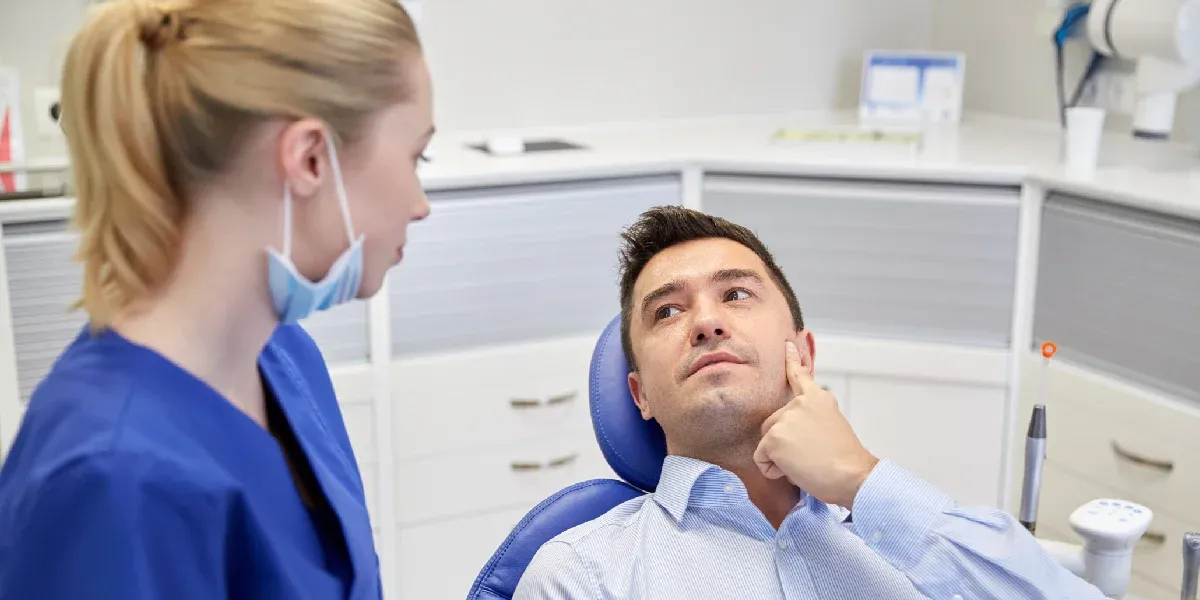
The first few days after a bone graft can feel uncertain, especially when the surgical site looks or feels different from normal. Patients often wonder whether swelling is expected, how quickly the gum tissue closes, and when the graft actually becomes strong bone. For people undergoing bone grafting in Pinole, CA, it helps to understand that visible soft-tissue recovery and deeper bone healing happen on different timelines. Early discomfort may improve relatively quickly, while the grafted area continues changing beneath the gums for months as the body remodels the site.
Bone graft healing is a biological process rather than a single recovery milestone. The graft material provides a framework where new bone can develop, and the pace varies with the procedure, graft location, defect size, general health, and future treatment plan. A socket-preservation graft may heal differently from a larger ridge augmentation or sinus graft. Follow-up examinations therefore matter more than comparing your recovery with someone else’s. An Pinole oral surgeon can monitor the surgical site, review symptoms, and determine when the graft has developed enough support for the next planned stage of care.
What Happens During Early Bone Graft Healing
During the early phase of bone graft healing, the body begins protecting the surgical area and repairing the surrounding soft tissue. It is common to experience temporary swelling, tenderness, mild bruising, or slight bleeding following oral surgery. These effects can vary depending on the type of procedure and the individual patient. As the healing process begins, the gum tissue gradually starts closing over the graft while deeper healing continues beneath the surface.
Protecting the surgical site is especially important during this early stage. Patients should follow their dentist’s postoperative instructions carefully and avoid touching, disturbing, or placing unnecessary pressure on the area. Maintaining appropriate oral hygiene around the site, following dietary recommendations, and avoiding activities that could interfere with healing can help support a stable environment for the graft.
Although the gum tissue may appear to heal relatively quickly, the deeper bone regeneration process takes longer. The graft needs time to integrate and provide the foundation necessary for future dental treatment when applicable. Following individualized recovery instructions and attending recommended follow-up appointments allows your dental team to monitor healing and address any concerns that may arise during recovery.
How New Bone Develops Around the Graft
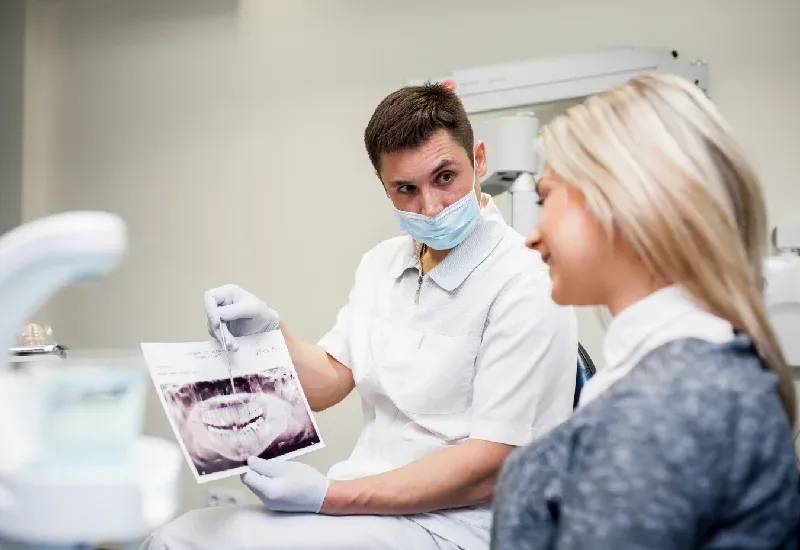
After the initial soft-tissue recovery, the grafted area enters a longer healing and remodeling phase. The bone graft material can serve as a scaffold that supports the development of the patient’s own bone. As healing progresses, blood vessels and bone-forming cells contribute to new tissue formation, allowing the grafted area to gradually integrate with the surrounding jawbone. This process happens beneath the gum tissue and may not be immediately visible from the outside.
Because deeper bone regeneration takes time, the graft may need several months to develop sufficient support before an implant can be considered. The timeline varies based on factors such as the individual’s healing response, the location and extent of the graft, and the condition of the surrounding bone. Rather than relying on a fixed schedule, a dentist may use clinical examinations and imaging to assess how the graft is progressing and determine when the area is ready for the next stage of treatment.
A Patient-Friendly Bone Graft Healing Timeline
Healing after bone grafting is best understood as a sequence. In the first days, the surgical area begins forming and organizing a protective blood clot while soft tissues start repairing. Swelling and tenderness commonly peak early and then gradually improve. During the following weeks, the gum tissue continues maturing even though the deeper graft is still undergoing biological change. The absence of discomfort does not mean the bone has fully healed. Beneath the surface, the graft material is being incorporated or replaced as new bone develops around the site.
Over the next several months, bone remodeling continues. The amount of time required depends on the type and extent of grafting. Albany Pinole Oral Surgery notes that bone graft healing for implant preparation commonly occurs over a period of months, with follow-up used to assess progress. Before proceeding with an implant, the surgeon considers bone volume, quality, site stability, and the overall treatment plan. Patients should therefore view recovery as both soft-tissue healing and a slower process of jawbone regeneration. Learn more about Pinole Bone Grafting and Albany Pinole Oral Surgery care instructions for additional patient education.
Bone Graft Healing Timeline
| Healing Stage | What Is Happening | What Patients May Notice | Clinical Focus |
|---|---|---|---|
| First few days | Blood clot and early tissue repair | Swelling, tenderness, minor bleeding | Protect the site and follow instructions |
| 1–2 weeks | Soft tissue continues closing | Symptoms usually begin settling | Review incision and early recovery |
| Following weeks | Graft remains biologically active | Site may feel increasingly normal | Monitor healing and oral hygiene |
| Several months | New bone forms and remodels | Often few visible changes | Assess bone development and stability |
| Before implant planning | Graft maturity is evaluated | Patient may feel fully recovered | Confirm bone volume and readiness |

“The specifics of bone graft healing will vary from procedure to procedure and patient to patient, depending on the graft sites and overall health.”
FAQ
Still have a quesiton? Contact Us
Deeper bone remodeling often takes several months, although the exact timeline varies by procedure, site, and individual healing.
Conclusion
Healing after bone grafting involves two connected processes: the gums recover first, while deeper bone regeneration and remodeling continue for much longer. The early days focus on protecting the surgical site, followed by gradual tissue maturation and development of stronger bone. Because graft size, location, health factors, and future implant plans differ, there is no single recovery timeline for every patient. Follow-up with an pinole oral surgeon is the best way to evaluate healing progress and determine when the grafted area is ready for the next stage of treatment.
Contact your Oral Surgeon in Pinole, Adel S. Khalil, DDS, MD, at Albany Pinole Oral Surgery today to learn more about Healing Process After Bone Grafting Surgery.
Resource
Disclaimer
This media/content or any other on this website does not prescribe, recommend, or prevent any treatment or procedure. Therefore, we highly recommend that you get the advice of a qualified dentist or other medical practitioners regarding your specific dental condition.