

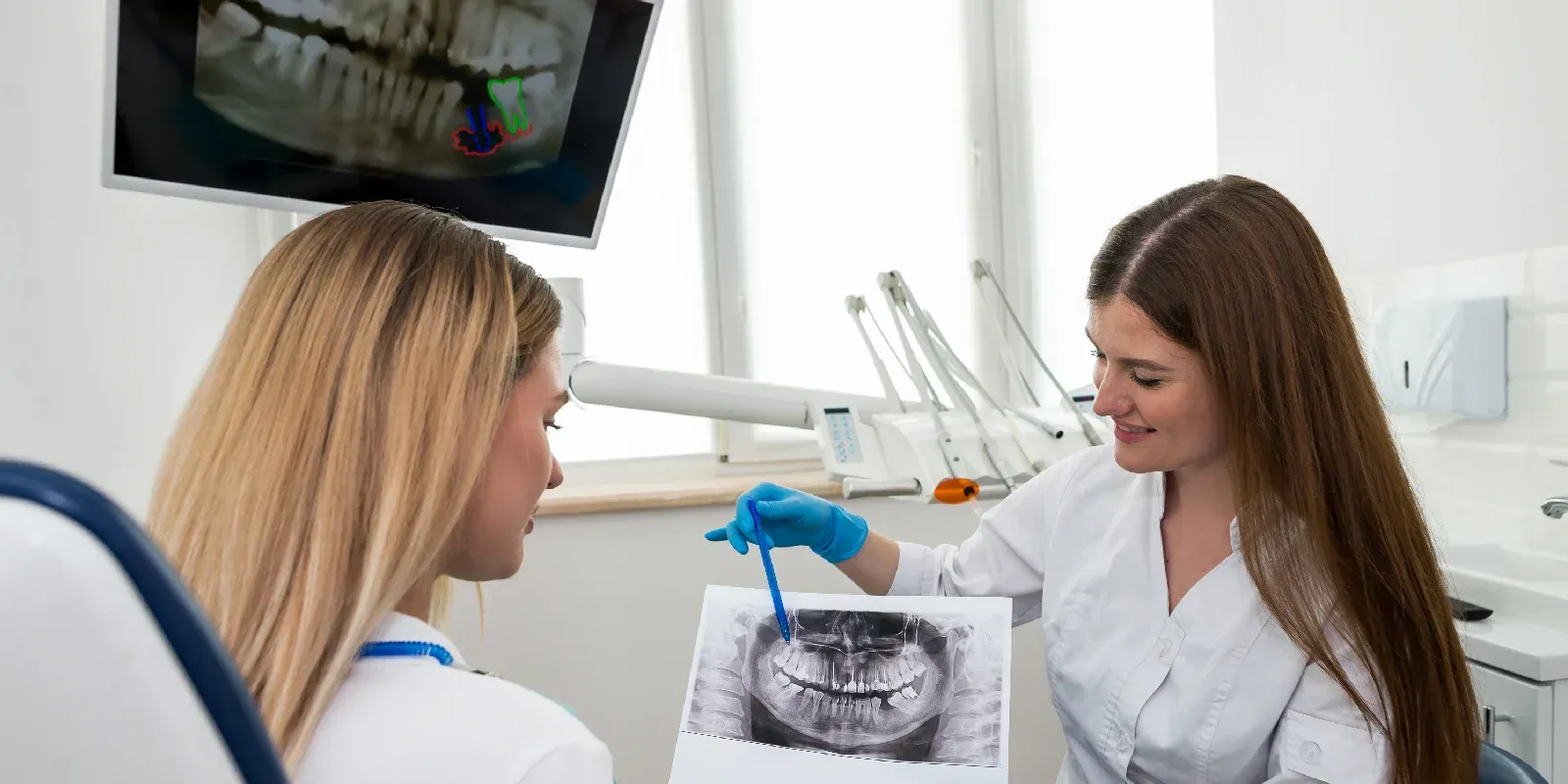
How Bone Grafting Supports Dental Implant Success
Dr. Adel S. Khalil
August 6, 2026
Patients exploring dental implants often focus on the replacement tooth, but the strength of the jawbone beneath is equally important. Bone grafting for dental implants in Pinole may be recommended when the jaw does not have enough height, width, or density to support an implant securely. By rebuilding deficient areas, a graft can create a healthier foundation for implant placement and improve the conditions needed for stable, long-term function.
Bone loss can develop after a tooth has been missing, following gum disease, infection, injury, or a difficult extraction. Because this change may occur without obvious symptoms, patients are sometimes surprised when imaging shows limited bone. Bone grafting does not guarantee a specific outcome, but it can expand treatment possibilities, support careful implant planning, and help an oral surgeon place an implant in a more favorable position.

Why Strong Jawbone Support Matters for Dental Implants
A dental implant is placed within the jaw and depends on the surrounding bone for initial stability. After placement, the bone must heal closely around the implant surface through a process called osseointegration. In simple terms, this means the implant and bone develop a stable biological connection that allows the implant to function as a foundation for a future tooth.
When the jawbone is too thin, too short, or uneven, the surgeon may not have enough healthy structure to position the implant safely. Placing an implant in inadequate bone can compromise stability, appearance, or the way biting forces are distributed. Bone grafting helps correct these limitations before or, in selected cases, at the time of implant placement.
The goal is not simply to add material. The purpose is to create an environment where the patient’s own bone can gradually develop around the grafted area. Careful planning, appropriate healing time, and follow-up imaging help the pinole oral surgeon decide when the site may be ready for the next stage of treatment.
How Grafting Improves Implant Stability and Position
Bone grafting can improve implant success by restoring the dimensions of the jaw where bone has been lost. Adequate bone allows the implant to be surrounded by supportive tissue rather than placed too close to anatomical structures or positioned at an unfavorable angle. This can help the surgeon plan for both function and the final appearance of the replacement tooth. A graft may also support the gum and jaw contours around the implant site, which can be especially important in visible areas. The exact benefit depends on the location of the missing tooth, the amount of existing bone, the grafting method, and the patient’s healing response. For this reason, three-dimensional imaging and an individualized surgical evaluation are important parts of treatment planning.
What Bone Grafting Can Help Address
Patients may need additional bone for different reasons. Some have a narrow ridge after years of tooth loss, while others have lost bone because of infection, trauma, or periodontal disease. In the upper back jaw, the sinus may sit close to the planned implant site, leaving limited bone height. Bone grafting procedures are selected according to the specific defect rather than applied as one standard solution.
- Reduced jawbone width or height after tooth loss.
- Bone defects remaining after extraction or infection.
- Insufficient upper-jaw bone beneath the sinus.
- Uneven ridge contours that affect implant positioning.
How Healing Builds a Foundation for Osseointegration
After graft material is placed, the body begins a gradual remodeling process. The graft acts as a framework that supports the development of new bone. Over time, the area can become stronger and better able to support an implant. Healing is not identical for every patient, and the timeline depends on the size of the graft, its location, the material used, and individual health factors.
The implant may be placed at the same appointment as a smaller graft when adequate primary stability is available. More extensive grafting often requires a separate healing period before implant placement. The oral surgeon uses examinations and imaging to evaluate the site rather than relying on a fixed calendar. The American Association of Oral and Maxillofacial Surgeons explains that bone grafting can help facilitate implant therapy and improve chewing, appearance, and speech when missing teeth are replaced.
“Bone grafting supports implant treatment by rebuilding deficient jawbone and creating more favorable conditions for stable placement, healing, function, and long-term maintenance.”
Comparing Common Grafting Approaches for Implant Planning
The procedure recommended depends on where bone is missing and how much support is required. The table below explains several common approaches in patient-friendly terms.
| Procedure | When It May Be Used | Primary Purpose | Implant Benefit |
|---|---|---|---|
| Socket preservation | After a tooth is removed | For a smaller bone defect | Helps preserve the future implant site |
| Ridge augmentation | When the jaw ridge is too narrow or low | Rebuild bone width, height, or contour | Creates more supportive implant dimensions |
| Sinus lift | When upper back-jaw bone is limited | Add bone beneath the sinus area | Improves support for upper-jaw implants |
| Localized implant-site graft | For a smaller bone defect | Strengthen a specific area | Supports more favorable implant positioning |
FAQ
Still have a Question? Contact Us
A graft may be recommended when existing jawbone cannot adequately support safe, stable, and well-positioned implant placement.
Conclusion
Bone grafting can support dental implant success by rebuilding lost jawbone, improving implant positioning, and creating stronger conditions for osseointegration. Procedures such as socket preservation, ridge augmentation, sinus lifting, and localized grafting address different types of bone deficiency. The appropriate approach depends on detailed imaging, the implant location, and the patient’s individual needs. Patients considering pinole bone grafting should receive a personalized evaluation rather than assume that every implant follows the same process.
Contact your Oral Surgeon in Pinole, Adel S. Khalil, DDS, MD, at Albany Pinole Oral Surgery today to learn more about how bone grafting supports dental implant success.
Resource
Disclaimer
This media/content or any other on this website does not prescribe, recommend, or prevent any treatment or procedure. Therefore, we highly recommend that you get the advice of a qualified dentist or other medical practitioners regarding your specific dental condition.