


Different Types of Bone Grafting Procedures Explained
Dr. Adel S. Khalil
July 9, 2026
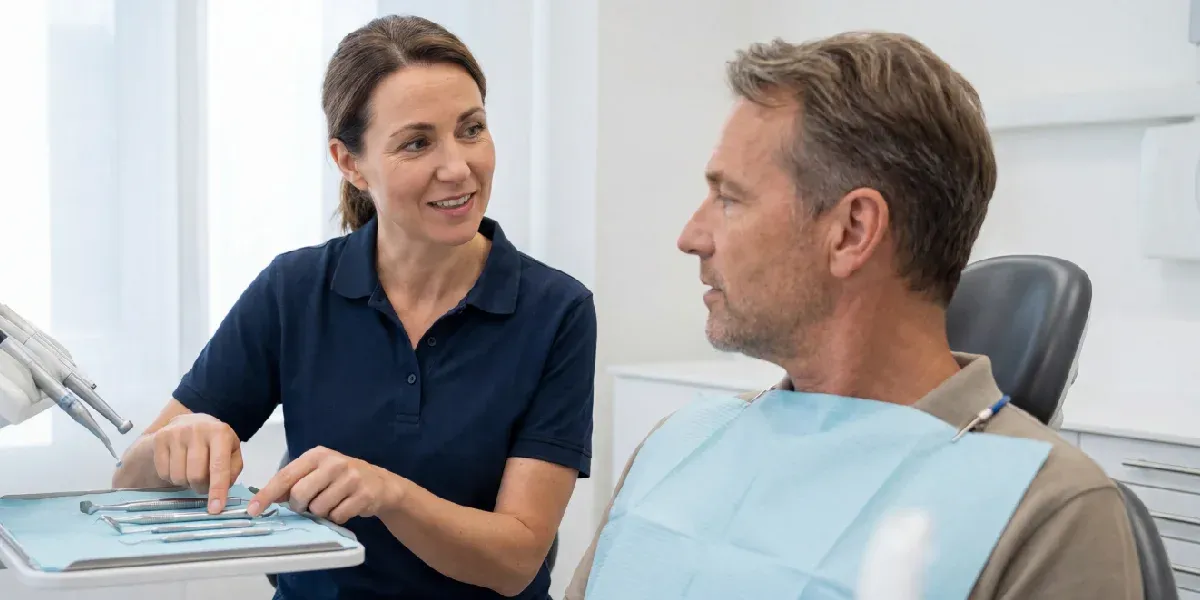
When patients hear they need a bone graft before dental treatment, one of the first questions they ask is, “What type of bone graft will I need?” Bone grafting is a common oral surgery procedure designed to rebuild or strengthen the jawbone when bone loss has occurred. Whether caused by missing teeth, periodontal disease, injury, or natural bone resorption, inadequate bone volume can affect both oral health and treatment options. Understanding the available procedures can help patients feel more informed and confident about their care.
For individuals considering Bone Grafting in Pinole, learning about the different grafting techniques is an important first step. Each procedure is designed to address specific bone deficiencies and treatment goals. From preparing the jaw for dental implants to restoring facial structure and oral function, bone grafting plays a crucial role in modern oral surgery. Advances in regenerative techniques have made these procedures more predictable, comfortable, and successful than ever before.
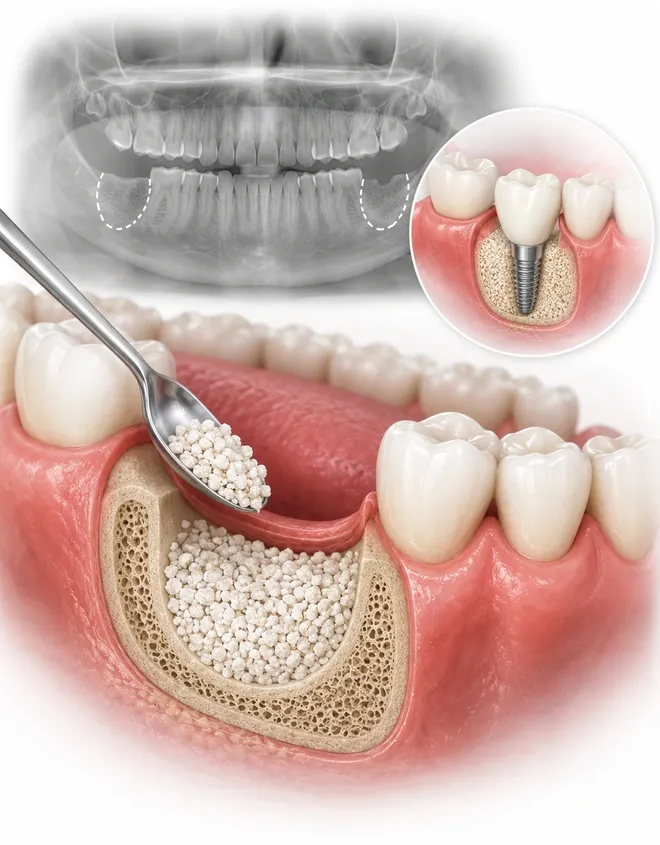
Understanding Common Bone Grafting Treatment Options
Bone grafting is not a one-size-fits-all procedure. Oral surgeons evaluate the location and extent of bone loss before recommending the most appropriate treatment. The type of graft used depends on the patient's anatomy, overall oral health, and future treatment plans.
In many cases, bone grafting is performed before dental implant placement to create a strong and stable foundation. However, grafting can also help preserve bone after tooth extraction, repair defects caused by trauma, or support reconstructive oral surgery. Each approach is designed to encourage the body’s natural ability to regenerate healthy bone tissue.
Because every patient's facial structure, jaw alignment, and oral health needs are unique, a personalized treatment plan is essential for achieving the best possible outcome. A comprehensive consultation, detailed examination, and advanced diagnostic imaging help the oral and maxillofacial surgeon evaluate the condition accurately, recommend the most appropriate procedure, and develop a treatment plan focused on long-term function, stability, and overall oral health.
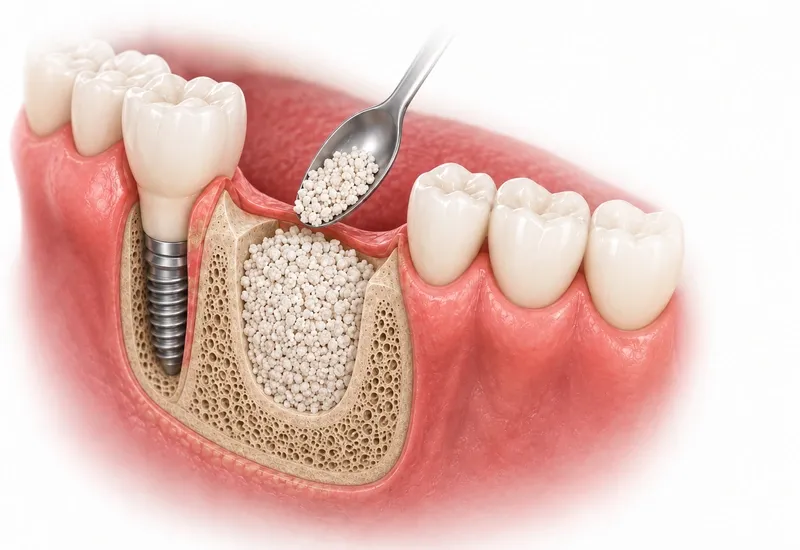
Four Primary Bone Grafting Materials Used
Oral surgeons generally use four main categories of bone grafting materials. Each offers unique benefits depending on the patient's situation and treatment objectives.
Autografts
An autograft uses bone taken from another area of the patient's own body. Because the material comes from the patient, it contains living cells and growth factors that support natural bone regeneration. This type of graft is often considered highly effective and biocompatible.
Allografts
An allograft uses carefully processed donor bone obtained from accredited tissue banks. These grafts eliminate the need for a second surgical site while providing a scaffold that encourages new bone growth. They are commonly used in oral surgery and implant procedures.
Xenografts
A xenograft is derived from animal sources, most commonly bovine bone. The material is processed and sterilized to ensure safety. It serves as a framework that helps the patient's natural bone develop over time.
Synthetic Grafts
Synthetic grafting materials are manufactured using biocompatible substances that stimulate bone formation. These materials provide an alternative option for patients and can be highly effective when used in appropriate cases.
Specialized Grafting Procedures
Beyond the graft material itself, there are several specialized procedures used to address different forms of jawbone loss. Socket preservation is commonly performed immediately after a tooth extraction to reduce bone shrinkage and maintain the natural contour of the jaw. Ridge augmentation is used when significant bone loss has occurred, helping rebuild the width and height of the jawbone. Sinus lift procedures are performed in the upper jaw when additional bone is needed beneath the sinus cavity before implant placement.
These procedures help create a healthier foundation for future restorative treatments. Patients who delay replacing missing teeth often experience ongoing bone loss, making advanced grafting procedures necessary. Early intervention can help preserve existing bone and simplify future treatment options.
Bone Grafting Procedures Comparison Table
| Bone Grafting Type | Source of Material | Common Uses | Key Benefits |
| Autograft | Patient's own bone | Significant bone loss, complex reconstruction | Contains natural bone-forming cells and growth factors |
| Allograft | Human donor bone from tissue bank | Dental implant preparation, ridge preservation | No second surgical site required |
| Xenograft | Processed animal bone (typically bovine) | Socket preservation, implant support | Long-lasting scaffold for new bone growth |
| Synthetic Graft | Biocompatible laboratory-made materials | Various bone regeneration procedures | Consistent quality and readily available |
| Socket Preservation Graft | Various graft materials | Immediately after tooth extraction | Helps reduce jawbone shrinkage |
| Ridge Augmentation Graft | Various graft materials | Rebuilding jawbone width and height | Improves implant placement options |
| Sinus Lift Graft | Various graft materials | Upper jaw implant preparation | Increases bone volume beneath the sinus cavity |

“Bone grafting procedures help restore the foundation of oral health, allowing patients to rebuild bone structure and prepare for successful long-term restorative treatment.”
FAQ
Still have a Question? Contact Us
The ideal graft depends on your bone loss, treatment goals, and overall oral health.
Conclusion
Bone grafting is a valuable procedure that helps restore lost bone, strengthen the jaw, and create a stable foundation for future dental treatments. From autografts and allografts to specialized procedures like sinus lifts and ridge augmentation, there are multiple solutions available to address different levels of bone loss. Understanding these options can help patients make informed decisions about their oral health. If you are considering Pinole Bone Grafting or have been advised that a graft may be beneficial, consulting with an experienced oral surgeon can help determine the most appropriate treatment plan for your needs.
Contact your Oral Surgeon in Pinole, Adel S. Khalil, DDS, MD, at Albany Pinole Oral Surgery today to learn more about Different Types of Bone Grafting Procedures Explained.
Resource
Disclaimer
This media/content or any other on this website does not prescribe, recommend, or prevent any treatment or procedure. Therefore, we highly recommend that you get the advice of a qualified dentist or other medical practitioners regarding your specific dental condition.