


How Jawbone Loss Happens and Affects Oral Health
Dr. Adel S. Khalil
June 5, 2026
Most people understand that losing a tooth affects their smile. Fewer realize that it also begins a quiet process beneath the gum line, which is one that can have lasting consequences for the jaw structure, neighboring teeth, and overall oral health. That process is jawbone loss, and it's more common and more consequential than most patients expect.
For patients seeking answers about jawbone health in Pinole, understanding how and why bone loss occurs is an important first step. Whether you have experienced tooth loss, are dealing with advanced gum disease, or are exploring tooth replacement options, knowing what happens beneath the gums can help you make more informed decisions about your care.
What Is Jawbone Loss?
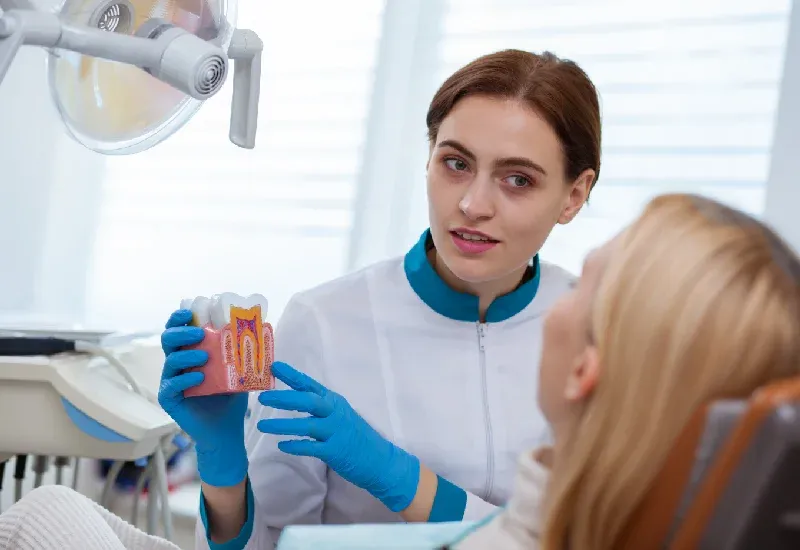
Jawbone loss, clinically referred to as alveolar bone resorption, is the gradual deterioration of the bone that supports and surrounds the teeth. The jawbone is a living tissue, and like all bone in the body, it responds to the stimulation it receives. When a tooth root is present, the forces generated by biting and chewing are transferred down into the jawbone through the root, thereby signaling the bone to maintain its density and volume.
When that stimulation is removed, whether due to tooth loss, injury, or disease, the bone no longer receives those signals. Over time, the body begins to reabsorb the unused bone tissue, which is a process that starts within weeks of tooth loss and continues for years afterward.
Common Causes of Jawbone Loss
There are several primary causes of jawbone deterioration. The most common is tooth loss, whether from extraction, decay, or trauma. When a tooth is removed and not replaced with a root level restoration such as a dental implant, the surrounding bone begins to shrink.
Periodontal or gum disease is the other major driver of jawbone loss. Advanced gum disease creates bacterial pockets between the teeth and gums, which gradually destroy the supporting bone and connective tissue around the teeth. Without treatment, this can lead to tooth loosening and eventual loss, thereby accelerating bone deterioration further.
Other contributing factors include:
- Long term use of removable dentures, which rest on the gum surface and do not stimulate the underlying bone.
- Traumatic injuries to the jaw that disrupt normal bone healing.
- Infections that spread to bone tissue.
- Tumors or cysts affecting the jaw.
How Jawbone Loss Progresses Over Time
| Timeframe After Tooth Loss | What Happens in the Jawbone |
|---|---|
| First 3 to 6 months | Up to 25 percent of bone width may be lost in the extraction area. |
| 1 year | Visible bone height reduction begins. |
| 3 years | Significant bone volume loss is measurable. |
| 5 to 10 years | Continued resorption and neighboring teeth may shift. |
| Long term denture wearers | Substantial jawbone volume loss affecting denture fit. |
How Jawbone Loss Affects Oral Health and Daily Life
The effects of jawbone loss extend well beyond the area of a missing tooth. As bone volume decreases, neighboring teeth can lose the support they depend on, thereby becoming looser or shifting toward the gap. This misalignment can affect how the upper and lower teeth meet, potentially leading to bite problems, increased wear on the remaining teeth, and jaw discomfort.
In patients wearing removable dentures, progressive bone loss is one of the most significant long term challenges. As the jaw ridge flattens, dentures that once fit securely become loose and ill fitting, which can cause difficulty chewing, speaking, and create painful pressure points on the gum tissue. Denture wearers may find that their prosthetics require frequent relining or replacement over time.
The Relationship Between Gum Disease and Bone Loss
Gum disease and jawbone loss are closely linked. Mild gum disease, called gingivitis, involves inflammation of the gum tissue but does not yet affect the bone. When left untreated, it can progress to periodontitis, which involves bacterial toxins and inflammatory responses that erode the bone and connective tissue supporting the teeth.
The challenge with periodontal related bone loss is that it is often painless in its early stages, thereby making it easy to overlook until significant damage has occurred. Regular dental cleanings and checkups are essential for identifying and treating gum disease before it progresses to affect the bone.
"Studies estimate that approximately 47 percent of adults over age 30 in the United States have some form of periodontal disease, making gum related bone loss one of the most prevalent causes of tooth and bone deterioration in the adult population."
FAQ
Still have a Question? Contact Us
The bone that has already been lost cannot be restored without a grafting procedure. However, treating the underlying cause such as gum disease or tooth loss can prevent further deterioration.
Conclusion
Pinole Jawbone loss is a real and progressive consequence of tooth loss and untreated gum disease, which is one that affects not just the aesthetics of a smile but also the structural integrity of the entire jaw over time. The most effective approach is prevention, including replacing missing teeth promptly with root level restorations like dental implants and maintaining rigorous oral hygiene to prevent periodontal disease from advancing. If you are concerned about changes in your jawbone or are preparing for dental implant treatment, consulting an experienced Pinole oral surgeon can help you understand your current bone health and available treatment options.
Contact your Oral Surgeon in Pinole, Adel S. Khalil, DDS, MD, at Albany Pinole Oral Surgery today to learn more about how Jawbone Loss happens and affects oral health.
Resource
Jawbone Loss: Causes, Risks, and How Bone Grafting Restores Strength
Disclaimer
This media/content or any other on this website does not prescribe, recommend, or prevent any treatment or procedure. Therefore, we highly recommend that you get the advice of a qualified dentist or other medical practitioners regarding your specific dental condition.