


What Is Bone Grafting and Why Is It Needed in Oral Surgery?
Dr. Adel S. Khalil
May 4, 2026
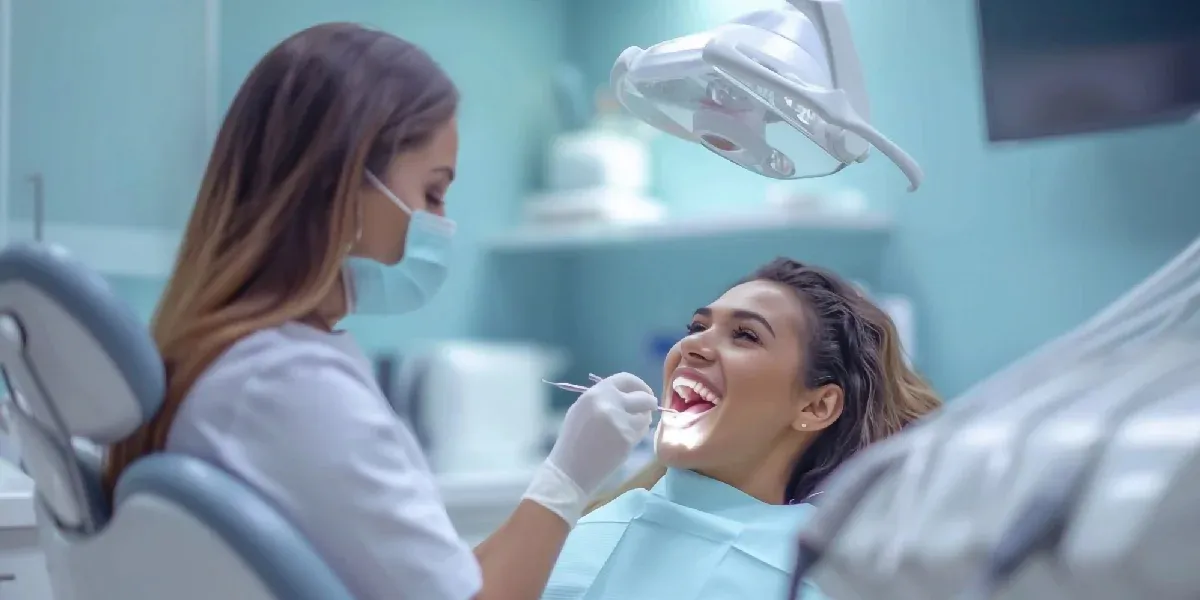
If you’ve been told you need bone grafting in Pinole, you might be wondering what that actually means and why it’s necessary. Bone grafting is a common oral surgery procedure used to rebuild or strengthen jawbone structure. It plays a critical role in supporting dental implants, restoring facial structure, and ensuring long-term oral health. While the idea may sound complex, modern techniques make the process safe, predictable, and highly effective.
Many patients experience bone loss due to missing teeth, gum disease, or trauma. Without enough healthy bone, treatments like dental implants may not be possible. That’s where bone grafting comes in, it helps regenerate bone and create a strong foundation for future dental procedures. Understanding why this procedure is recommended can help ease concerns and guide you toward better oral health outcomes.
When Bone Loss Requires Surgical Restoration Solutions
Bone loss in the jaw is more common than many people realize. It often happens silently over time, especially after tooth loss. When a tooth is missing, the jawbone no longer receives stimulation from chewing, causing it to shrink gradually. This can affect not only your oral health but also your facial appearance.
- Tooth loss leads to reduced bone stimulation and gradual jawbone shrinkage.
- Gum disease and infections can accelerate bone deterioration.
- Bone loss can impact facial structure and overall appearance.
- Early treatment like bone grafting helps restore structure and prevent complications.
Other causes of bone loss include advanced gum disease, infections, or injury to the jaw. In these cases, bone grafting becomes essential to restore lost structure and prevent further complications. Without intervention, bone deterioration can limit your treatment options and lead to more complex dental issues down the line.
Bone grafting helps rebuild the jawbone using natural or synthetic materials that encourage new bone growth. This process strengthens the area and prepares it for procedures like dental implants. If you’ve been delaying treatment due to bone loss concerns, now is the time to act.
How Bone Grafting Supports Dental Implant Success
Bone grafting is often an essential first step before dental implant placement because implants rely on a strong and stable jawbone for support. When bone density is insufficient, the implant may not properly fuse with the bone, increasing the risk of failure. By restoring lost bone, grafting creates the solid foundation needed for successful implant integration.
The process works by encouraging natural bone regeneration in areas where bone has deteriorated. Once the graft material is placed, the body gradually replaces it with new, healthy bone tissue. This strengthens the jaw over time, ensuring that the dental implant can be securely anchored and function just like a natural tooth.
Patients who undergo bone grafting before implants often experience long-term benefits. These include improved chewing ability, better facial structure, and a more natural-looking smile. With a stable foundation in place, dental implants not only last longer but also provide greater comfort and confidence in everyday life.
Types of Bone Grafts
| Type of Bone Graft | Source | How It Works? |
|---|---|---|
| Autografts | Patient’s own body | Uses your own bone for the highest compatibility and strong healing response |
| Allografts | Human donor | Provides safe, processed bone material without needing a second surgical site |
| Xenografts | Animal source | Acts as a natural scaffold that supports new bone growth over time |
| Synthetic Grafts | Lab-made materials | Biocompatible materials that stimulate and guide natural bone regeneration. |
What to Expect During the Bone Grafting Process
The Pinole bone grafting procedure is typically performed under local anesthesia or sedation for maximum comfort. During the procedure, the grafting material is placed in the targeted area to support new bone growth. Over time, your body naturally integrates this material, creating a strong and stable structure. Recovery varies depending on the complexity of the graft, but most patients experience minimal discomfort. Following your surgeon’s post-operative instructions is key to ensuring proper healing and successful results. It’s important to attend follow-up appointments to monitor progress and determine when additional treatments, such as implants, can proceed.
- Performed under local anesthesia or sedation for a comfortable experience.
- Grafting material is placed to stimulate natural bone regeneration.
- Body gradually integrates the material to build a stable bone foundation.
- Post-operative care and follow-ups are essential for successful healing.
Patients often worry about pain, recovery time, or whether the procedure is necessary. However, delaying treatment can lead to more extensive procedures later. Bone grafting is a proactive step that helps preserve your oral health and expand your treatment options.

“Bone grafting is not just about restoring bone, it’s about rebuilding confidence, function, and long-term oral health for patients who want lasting results.”
FAQ
Still have a Question? Contact Us
It rebuilds lost bone to support implants securely and ensures long-term stability.
Conclusion
Bone grafting plays a vital role in restoring jawbone health and preparing patients for successful dental treatments. Whether you’re considering implants or addressing bone loss, this procedure provides a strong foundation for long-term oral health. By understanding its importance, you can make informed decisions about your care and avoid complications in the future. If you’re exploring Pinole oral surgeons, the experienced team at Albany Pinole Oral Surgery is here to guide you every step of the way.
Contact your Oral Surgeon in Pinole, Adel S. Khalil, DDS, MD, at Albany Pinole Oral Surgery today to learn more about what Is Bone Grafting and Why Is It Needed in Oral Surgery?
Resource:
Jawbone Loss: Causes, Risks, and How Bone Grafting Restores Strength
Disclaimer
This media/content or any other on this website does not prescribe, recommend, or prevent any treatment or procedure. Therefore, we highly recommend that you get the advice of a qualified dentist or other medical practitioners regarding your specific dental condition.