


Ridge Augmentation: Why Bone Volume Matters for a Healthy Smile
Dr. Adel S. Khalil
February 4, 2026

What happens when bone wears down? That’s where ridge augmentation steps in, and it's changing how people see dental care. This method matters for anyone eyeing implants or just wanting confident, well-supported smiles. When the jaw shrinks, as seen in alveolar ridge loss, it struggles to hold both natural teeth and artificial ones alike. Left alone, this fading bone shape not only alters looks; it also raises risks around how well implants work. With years under her belt, Albany Pinole focuses on lifting ridges through bone growth, shaping spaces for implants with exact care and steady outcomes - building strength that holds up smiles year after year.
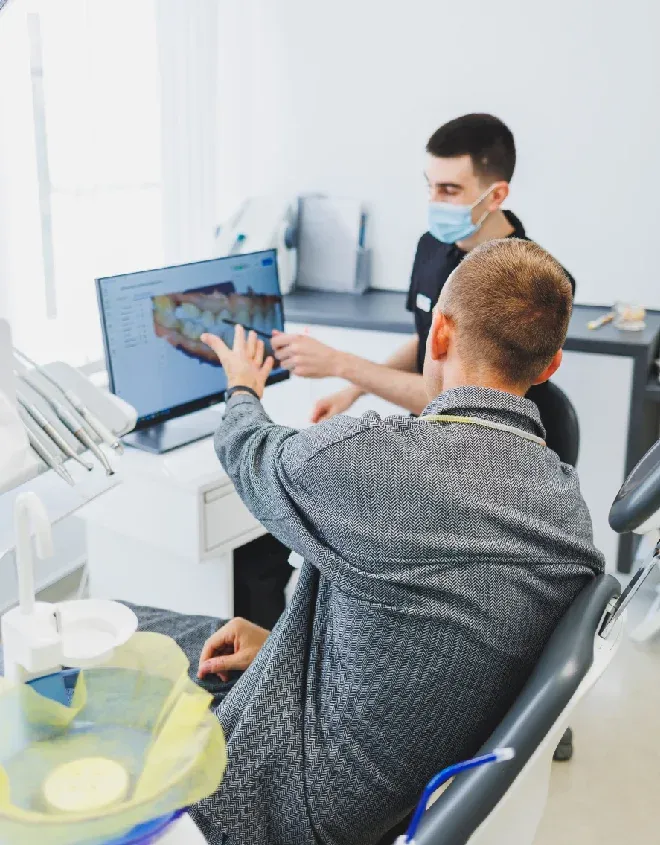
What Is Ridge Augmentation and Why It Matters?
When bone fades, doctors might do a procedure to rebuild what vanished under the gumline. This kind of work helps teeth implants settle because they need bone to latch on through a slow bonding ride known as osseointegration. If there's too little height or breadth in that skeleton, the whole setup wobbles more - risks pop up, results might fall short.
Bone that's enough in size helps keep the face looking balanced, especially when a tooth is gone and space shows. Without enough material underneath, shapes shift in ways people might find unflattering. Therefore, placing grafts in areas with bone loss helps preserve both oral function such as chewing and speaking and facial appearance, allowing daily life to feel more natural even after tooth loss
Causes of Bone Volume Loss in the Jaw
After a tooth falls out, changes in bone size happen by design. When a tooth disappears, the surrounding bone loses its physical triggers. Without these forces, resorption starts quietly across the affected zone. Infection from gum illness speeds up such shrinkage. Chronic redness and microbial presence break down alveolar mass over time. When worn regularly, dentures may slowly shrink the alveolar ridge due to constant, uneven force against gum tissues.
When bones get damaged from accidents or are missing at birth, their strength drops. Conditions such as osteoporosis also strip away support in the skeleton. Each case reshapes how teeth hold on, why building up a jaw ridge matter. Lasting results depend on fixing what wears thin beneath.
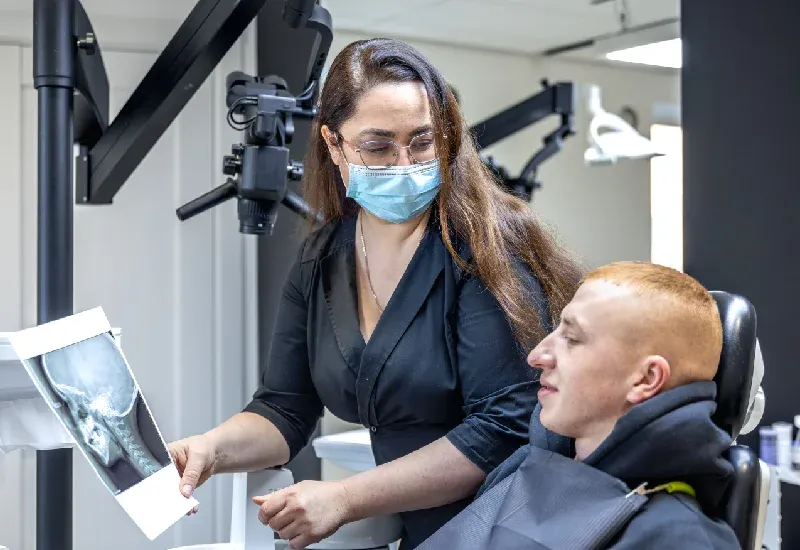
The Relationship Between Bone Volume and Implant Success
Replacing missing teeth often involves dental implants, which can look natural and function well when given enough time to heal. Their long-term success depends largely on having enough healthy bones to support them. Without sufficient bone, even strong implants may struggle to handle everyday chewing forces. A proper connection between the jawbone and the implant is essential for strength and stability.
When bone volume is lacking, implants may shift, fail to bond correctly, or lead to complications such as damage to the sinus area in the upper jaw. Building up the jaw ridge before placing implants improves overall results and gives dentists the stable foundation needed for long lasting restorations.
Advanced Ridge Augmentation Techniques
Nowadays, boosting an impaired ridge often involves several bone graft methods chosen based on individual shape and loss:
- Autogenous bone grafting uses your own bone from another area of the mouth.
- Allografts are donor bone materials processed for safety and compatibility.
- Xenografts offer a scaffold that encourages bone regeneration.
- Synthetic grafts mimic natural bone structure using biocompatible materials.
When things get harder to manage, doctors might turn to guided bone regeneration. A protective film covers the site, so surrounding tissues cannot invade it. This setup helps the bone grow back steadily. Sometimes extra help comes in the form of platelet-rich plasma or fibrin. These natural cues speed up recovery work. Such methods now shape how dental implants are placed today.
Step‑by‑Step: What to Expect from Ridge Augmentation
- Comprehensive Evaluation – Using 3D imaging (CBCT), your oral surgeon evaluates the extent of ridge loss.
- Treatment Planning – A customized plan addresses bone volume needs and future implant placement.
- Surgical Grafting – Bone graft material is placed precisely in deficient areas and secured.
- Healing and Integration – Over several months, new bone forms, creating a solid foundation.
Every person heals at their own pace, depending on how complicated the graft was. Yet typically someone moves toward putting in an implant after enough bone grows back.
Benefits of Ridge Augmentation
- Ridge reconstruction brings more than healing as it restores both purpose and appearance.
- Boosts bone size for implant placement offering a steady foundation, so implants work well over time.
- Boosts shape of face keeps cheeks from sinking while holding skin in place.
- With steady support, chewing becomes faster while speech stays clear. Oral performance rises when implants hold firms.
- Future bone loss reduced because bone repair shields nearby tissues.
- When the alveolar ridge is brought back, people gain a better mouth structure; this ground helps hold real teeth along with artificial ones.
Maintaining Bone Health After Augmentation
After ridge augmentation, looking after the bone matters just as much. Good brushing and flossing must keep going, alongside steady visits to a dentist. Staying away from damaging routines helps; things like smoking can slow recovery. Stronger bone growth gets a boost from foods rich in calcium and vitamin D.
When something changes with a patient's health or medicine, it helps if they share that information with the dentist. Systemic issues might slow down bone healing or impact how well an implant works. Staying open about these details gives the dental team better insight.

“Great smiles aren’t just built on teeth, they’re built on strong bone.”
Conclusion
What happens with bone volume doesn’t just affect tooth replacements; it touches how your face looks, your confidence feels, even daily comfort. In Pinole, boosting weak jaw areas through ridge augmentation becomes key to strengthening the foundation underneath planned restorations.
Over at Albany Pinole, we mix fresh methods in bone surgery with care customized to each person, so results can truly shine. When lack of bone makes placing implants tricky or you simply wish to rebuild the front edge of your jaw, reach out first. This moment might launch a lasting grin. Though it begins small, progress often follows.
Contact your Oral Surgeon in Pinole, Dr. Khalil, at Albany Pinole Oral Surgery today to learn more about Ridge Augmentation: Why Bone Volume Matters for a Healthy Smile.
Resource:
Jawbone Loss: Causes, Risks, and How Bone Grafting Restores Strength
Disclaimer
This media/content or any other on this website does not prescribe, recommend, or prevent any treatment or procedure. Therefore, we highly recommend that you get the advice of a qualified dentist or other medical practitioners regarding your specific dental condition.